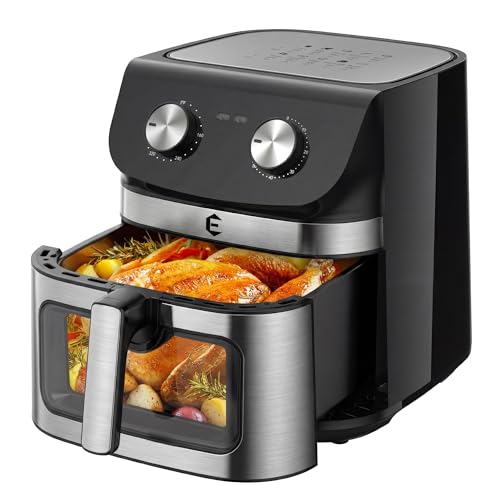
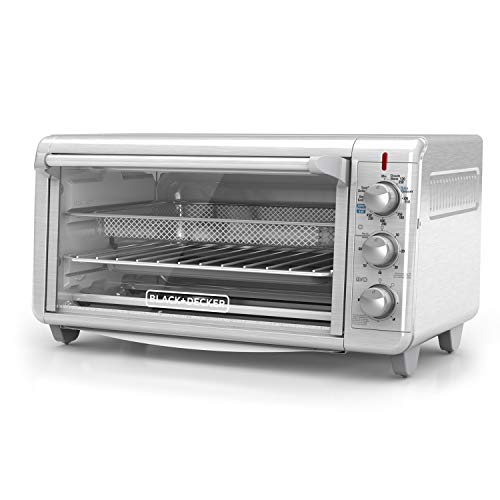
Countertop convection cookers promise fast meals without heating up an entire kitchen. Understanding air fryer wattage and electricity use helps cooks manage energy bills while picking machines that brown food evenly without tripping circuit breakers.
Most home units draw between 1200 and 1800 watts during peak heating cycles. Exploring options in our countertop appliances guide shows how small operational shifts keep utility bills low while preserving cooking performance.
Element Wattage Ratings and Cook Times
Air fryer heating elements generally draw between 1400 and 1800 watts on standard household power. Higher wattage delivers faster preheating and recovers cooking temperatures quickly when cold food enters the basket.
Lower-wattage units around 1200 watts still cook food thoroughly, but they extend cook cycles by several minutes. The total power consumed often balances out because the lower draw runs for longer durations.
Calculating Real Electricity Costs
Calculating operational costs requires converting appliance wattage into kilowatt-hours based on run time. An 1800-watt machine running at maximum capacity for thirty minutes consumes roughly 0.9 kilowatt-hours of electrical energy.
Thermostats cycle power on and off once cooking chambers reach target temperatures. Actual draw is often lower than faceplate ratings suggest, keeping single-session costs to a modest handful of cents.
Circuit Load and Kitchen Breaker Limits
Standard residential kitchen branch circuits supply 15 to 20 amps at 120 volts. An appliance pulling 1800 watts demands 15 amps, pushing a standard 15-amp circuit breaker directly to its threshold.
Running a microwave or electric kettle on the same electrical line simultaneously trips the breaker switch. Dedicated counter outlets prevent sudden shutoffs during dinner preparation.
Full-Size Oven Energy Comparison
Traditional electric ranges pull between 2500 and 5000 watts to heat expansive insulated cavity walls. They require lengthy preheat times that consume significant power before food even touches the rack.
A compact countertop unit directs heat into small cavities within three minutes. Cooking smaller portions in our picks for the best air fryer machines slashes baseline utility demands compared to large ovens.
Capacity Versus Power Efficiency
Small two-quart baskets heat rapidly with 1200-watt elements, providing maximum efficiency for single servings. Larger dual-basket units or multi-tier designs require 1700 to 1800 watts to circulate heat evenly.
Crowding food into an undersized machine traps moisture and prolongs heating cycles unnecessarily. Choosing suitable volume from options like best air fryer toaster ovens provides balance between internal room and thermal efficiency.
Insulation and Heat Retention Quality
Appliance housing design heavily influences overall electricity usage during extended cooking tasks. Double-walled plastic or well-sealed metal housings retain chamber heat effectively without radiating warmth outward into surrounding room air.
Poorly insulated units force the internal heating coil to stay energized continuously to offset ambient thermal losses. Solid construction preserves cabinet temperatures and shortens overall motor operation.
Why You Should Trust Us
We analyze appliance mechanics, manufacturer technical sheets, and residential power principles to deliver practical guidance. Our focus stays grounded in functional utility without relying on brand marketing claims or hype.
Our editorial approach evaluates long-term operating costs and everyday safety for home kitchens. We help cooks balance equipment capability against space, budget, and electrical realities.
Final Thoughts
Air fryers provide consistent energy savings over conventional built-in ranges for daily meal preparation. Their tight cavities and rapid heating loops minimize power waste while keeping cook times brief.
Matching machine wattage to household circuit limits prevents tripped breakers and kitchen interruptions. For budget conscious cooks, exploring the best air fryers under $100 provides balanced options that maintain solid heating power without excessive initial investment.
Examine countertop outlet placement and household portion requirements before selecting a specific model. Thoughtful capacity choices ensure reliable browning while keeping operating costs predictable month after month.
FAQs
How much electricity does an air fryer use per hour?
Most standard air fryers consume roughly 1.4 to 1.8 kilowatt-hours if run continuously for one full hour. Since internal thermostats cycle the heating coils on and off, actual hourly consumption is usually lower.
Does a higher wattage air fryer cook food faster?
Higher wattage delivers intense radiant heat and faster recovery when introducing cold items. This rapid thermal output decreases cooking durations and crisps outer surfaces more effectively.
Can an air fryer run on a regular 15-amp kitchen circuit?
A standard 15-amp household circuit handles a typical 1500-watt to 1700-watt machine without incident. Running other heavy countertop appliances on that same circuit concurrently will overload the breaker.
Is an air fryer cheaper to run than a standard oven?
Countertop fryers use significantly less power because they heat small enclosed baskets rather than cubic feet of empty oven space. Faster cycle times reduce overall kilowatt-hour consumption during regular meal routines.
What factors affect air fryer wattage and electricity use during cooking?
Basket capacity, cooking temperature, thermal insulation, and ingredient density dictate power draw. Discovering variations in glass air fryer vs basket air fryer designs highlights how differing materials influence chamber heat retention.
Does preheating an air fryer waste noticeable electricity?
Preheating takes merely two to three minutes in modern units, consuming minimal power. Skipping preheat can actually increase cooking time and result in less crisp textures.
Will air fryer wattage and electricity use raise my summer cooling bills?
Countertop units vent minimal residual heat into the surrounding kitchen compared to traditional ranges. Air conditioners work far less to maintain comfortable room temperatures when avoiding central oven cycles.
What happens if wattage is too low for basket capacity?
An underpowered machine struggles to evaporate surface moisture rapidly from proteins or vegetables. Food ends up steaming rather than crisping, leading to longer cook cycles and uneven browning results.