Morning routines often split a household between drip coffee lovers and espresso drinkers. Setting up dedicated machines for both drinks clutters limited counter space, while buying cheap hybrid units usually results in lukewarm coffee and watery shots. Modern multi-drink stations fix these issues by pairing dedicated high-pressure extraction systems with full-pot drip brewers.
Finding the best combo coffee and espresso makers means balancing convenience, pump pressure, and footprint. If you are also organizing other compact cooking appliances, explore our guide to countertop appliances to plan your workspace effectively. This overview examines 6 versatile setups to help you select the ideal brewer for your home.
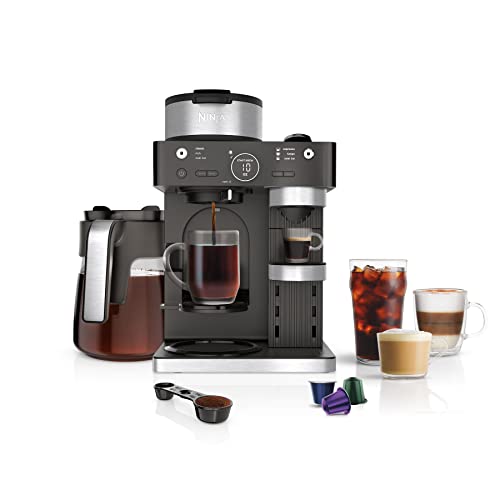
Pros
- Capsule and ground-coffee brewing
- 12-cup glass carafe
- Built-in fold-away frother
- Eight-inch travel mug compatibility
- Adjustable cup tray
Cons
- Large 11.89-by-14.84-by-17.4-inch footprint
- Espresso capsules sold separately
- Glass carafe requires careful handling
Specifications
| Color | Black |
|---|---|
| Size | 12 Cups |
| Dimensions | 11.89 x 14.84 x 17.4 inches |
| Weight | 13.63 pounds |
| Product Group | Kitchen |
| Binding | Kitchen |
Verify the current product variation before purchase; specifications may change.
Detailed Review
What stands out in the currently available product data:
- Brews espresso capsules in Espresso, Lungo, and Over Ice styles
- Makes Classic, Rich, or Over Ice coffee from grounds
- Supports nine ground-coffee sizes, from cup to 12-cup carafe
- Built-in fold-away frother supports cappuccinos, lattes, and flat whites
- 19-bar pressure system targets smooth espresso crema
- Used capsule bin holds up to 20 capsules
Best For / Avoid If
Best for buyers prioritizing
- Capsule and ground-coffee brewing
- 12-cup glass carafe
- Built-in fold-away frother
Consider another option if
- Large 11.89-by-14.84-by-17.4-inch footprint
- Espresso capsules sold separately
- Glass carafe requires careful handling
Pros
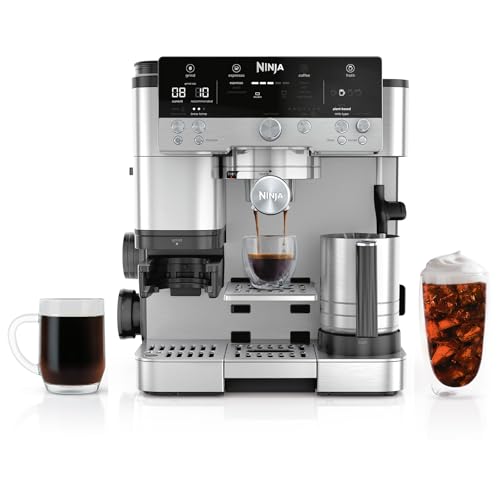
- Three coffee systems in one machine
- 25-setting conical burr grinder
- Automatic and manual milk frothing
- Guided dosing and assisted tamping
- Built-in accessory storage
Cons
- Large countertop footprint
- Multiple functions may require learning
- Warranty details not supplied
Specifications
| Color | Stainless Steel |
|---|---|
| Size | 12.99 x 13.39 x 14.57 |
| Dimensions | 12.99 x 13.39 x 14.57 inches |
| Product Group | Kitchen |
| Binding | Kitchen |
Verify the current product variation before purchase; specifications may change.
Detailed Review
What stands out in the currently available product data:
- Three brewing systems cover espresso, drip coffee, and cold brew
- 25-setting conical burr grinder supports tailored grind selection
- Weight-based dosing and assisted tamping reduce preparation guesswork
- Automatic frothing offers steamed milk, thin froth, thick froth, and cold foam
- Multiple drink sizes support 6 to 18 ounce coffee and cold brew servings
- Built-in accessory storage helps organize countertop tools
Best For / Avoid If
Best for buyers prioritizing
- Three coffee systems in one machine
- 25-setting conical burr grinder
- Automatic and manual milk frothing
Consider another option if
- Large countertop footprint
- Multiple functions may require learning
- Warranty details not supplied

Pros
- Integrated conical burr grinder
- PID temperature regulation
- Manual microfoam steam wand
- 67 oz water tank
- Included maintenance accessories
Cons
- Hands-on espresso preparation required
- Large 13.8 x 12.5 x 15.9-inch footprint
- One-year limited warranty
Specifications
| Color | Brushed Stainless Steel |
|---|---|
| Size | Large |
| Dimensions | 13.8 x 12.5 x 15.9 inches |
| Weight | 22.09 Pounds |
| Product Group | Kitchen |
| Binding | Kitchen |
Verify the current product variation before purchase; specifications may change.
Detailed Review
What stands out in the currently available product data:
- Grinds beans directly into portafilter for fresher, more convenient preparation
- PID temperature regulation supports more controlled espresso extraction
- Low-pressure pre-infusion helps promote balanced flavor extraction
- Manual steam wand creates microfoam for cappuccinos and latte art
- Adjustable grind size and grind amount suit different beans
- 67 oz water tank and 1/2 lb hopper support repeated preparation

Pros
- K-Cup and ground coffee compatibility
- Shared removable 72oz reservoir
- Programmable 24-hour carafe brewing
- Brew Over Ice setting
- Multiple cup and carafe sizes
Cons
- Glass carafe requires careful handling
- Single shared reservoir serves both brewing systems
- Two brewing modes add control-panel complexity
Specifications
| Color | Black |
|---|---|
| Dimensions | 12.9 x 11.1 x 12.7 inches |
| Weight | 1 Pounds |
| Product Group | Kitchen |
| Binding | Kitchen |
Verify the current product variation before purchase; specifications may change.
Detailed Review
What stands out in the currently available product data:
- Brews K-Cup pods or grounds without requiring separate machines
- Shared 72oz reservoir reduces refill frequency for daily brewing
- Brew Over Ice adjusts brewing for iced coffee and tea
- Multiple cup and carafe sizes support different serving needs
- Strong Brew and Extra Hot settings add single-cup control
- Programmable carafe brewing schedules coffee up to 24 hours ahead
Best For / Avoid If
Best for buyers prioritizing
- K-Cup and ground coffee compatibility
- Shared removable 72oz reservoir
- Programmable 24-hour carafe brewing
Consider another option if
- Glass carafe requires careful handling
- Single shared reservoir serves both brewing systems
- Two brewing modes add control-panel complexity

Pros
- Multiple brewing formats
- Automatic milk frother
- Large 12-cup carafe
- Removable 3-liter water tank
- Built-in accessory storage
Cons
- Large countertop footprint
- Separate cleaning needs across brewing systems
- One-year warranty
Specifications
| Color | Stainless Steel |
|---|---|
| Size | 13" x 12" x 14" |
| Dimensions | 11.81 x 13.19 x 13.98 Inches |
| Product Group | Kitchen |
| Binding | Kitchen |
Verify the current product variation before purchase; specifications may change.
Detailed Review
What stands out in the currently available product data:
- Brew drip coffee, espresso, lattes, and cappuccinos from one station
- Supports K-Cups, Nespresso pods, ground coffee, and espresso grounds
- Automatic 16-ounce frother handles two latte or cappuccino sizes
- 12-cup carafe supports shared morning coffee service
- 3-liter removable tank reduces frequent refilling
- Over Ice setting supports less-diluted iced coffee

Pros
- Four brewing formats
- Up to 12-cup capacity
- Three single-serve sizes
- Programmable brewing
- Adjustable brew strength
Cons
- Large countertop footprint
- Multiple brewing systems add cleaning tasks
- Limited single-serve sizes
Specifications
| Color | Black |
|---|---|
| Size | 12-Cup |
| Dimensions | 11.88 x 12.88 x 16.75 inches |
| Weight | 14 pounds |
| Product Group | Kitchen |
| Binding | Kitchen |
Verify the current product variation before purchase; specifications may change.
Detailed Review
What stands out in the currently available product data:
- Four brewing formats cover drip coffee, pods, espresso, and milk-based drinks
- Three single-serve sizes support 6-ounce, 8-ounce, and 10-ounce servings
- Up to 12-cup drip capacity suits shared household coffee routines
- 24-hour programmability and adjustable four-hour warming reduce morning setup
- Brew strength control helps tailor drip coffee intensity
- Permanent gold-tone filter and charcoal filter reduce recurring filter needs
Pump Pressure and Extraction Mechanics
True espresso extraction requires intense pressure to force hot water through finely ground beans. Traditional drip coffee relies entirely on gravity, dripping hot water over loose grounds in a basket filter. Machines that attempt to brew espresso with low drip pressures create bitter, concentrated coffee instead of authentic crema-topped shots.
Quality dual-purpose machines feature internal Italian pumps delivering between 15 and 20 bars of pressure. This force ensures proper emulsification of coffee oils for dense shots and lattes. When reviewing combo brewers, verify whether the espresso side utilizes an independent high-pressure boiler or simply restricts drip flow.
Pod Compatibility Versus Ground Coffee Flexibility
Hybrid brewers handle coffee input in several distinct ways across different user lifestyles. Some machines accept standard ground coffee for drip carafes while utilizing Nespresso OriginalLine or K-Cup capsules for single servings. Other models feature built-in portafilters that require freshly ground beans tamped directly into metal filter baskets.
Pod-based hybrid brewers offer unmatched morning speed and eliminate cleanup friction before work. However, manual portafilter units give you full control over bean origin, grind consistency, and extraction yields. Choosing between quick capsules and manual brewing determines your daily effort level and ongoing consumable costs.
If you prefer quick prep across all morning meals, pairing a capsule brewer with tools like the best air fryer under $50 creates an efficient, low-maintenance kitchen routine.
Milk Frothing Systems and Steam Texturing
Espresso is only half the equation for fans of morning cappuccinos, flat whites, and lattes. The type of milk frother built into your combo machine directly impacts the texture and density of your foam. Basic units often include fold-away mechanical whisks that aerate warm milk without using pressurized steam.
Advanced espresso stations provide commercial-style stainless steel steam wands or automated milk reservoirs. Steam wands inject dry steam into the milk jug, generating silky microfoam suitable for pouring latte art. Automated carafes dispense hot foam at the touch of a button, though they demand frequent rinsing to keep milk lines sanitary.
Water Reservoir Capacity and Plumbing Convenience
A combo machine that runs out of water halfway through a morning carafe causes unnecessary frustration. Shared water tanks typically range from 60 ounces to over 100 ounces (around 3 liters). Larger capacities allow you to brew a 12-cup pot for guests and still pull multiple afternoon espresso shots without refilling.
Check whether the reservoir is completely removable and accessible from the front or side. If your brewer sits beneath standard overhead kitchen cabinets, top-fill reservoirs require sliding the entire heavy appliance forward every morning. Removable tanks with integrated handles make refilling at the kitchen sink quick and clean.
Grinder Integration and Countertop Footprint
Countertop real estate is prime kitchen space that requires thoughtful appliance management. All-in-one stations with integrated conical burr grinders save space by eliminating standalone bean grinders. These setups grind whole beans on demand directly into your portafilter or drip brew basket for optimal freshness.
Integrated grinders add physical width and height to the overall unit footprint. Measure your vertical cabinet clearance carefully before selecting a tall machine with an overhead bean hopper. If your counter space is tight, consider a more compact footprint and complement it with multipurpose tools from our blenders and food processors collection.
Carafe Temperature Management and Warming Plates
Drip coffee quality depends heavily on how the machine maintains heat after brewing finishes. Glass carafes rely on heated base plates that keep coffee hot, but leaving them active too long can scorch the liquid and create bitter flavors. Premium models feature adjustable auto-shutoff timers and gentle warming controls to preserve brewed flavor.
Look for machines offering programmable delay brew settings and brew-pause drip valves. A reliable drip valve lets you sneak a quick cup before the full carafe finishes brewing without dripping onto hot plates. Consistent thermal management ensures that the second cup tastes just as smooth as the first.
Why You Should Trust Us
Our kitchen reviews rely on thorough analysis of manufacturer specifications, mechanical engineering data, and verified customer performance reports. We scrutinize real-world functionality, evaluating pump pressure systems, thermal stability, material durability, and daily cleaning requirements. We focus strictly on practical performance markers that affect home cooks.
We do not accept free promotional units or manufacturer sponsorships that could bias our analysis. Every recommendation reflects balanced editorial judgment focused on budget value, build quality, and kitchen ergonomics. Our mission is providing dependable, realistic guidance so you invest in appliances that genuinely improve your home.
Final Thoughts
Selecting the ideal hybrid brewer depends entirely on how you balance your desire for hands-on craft against automated morning convenience. For home baristas seeking bean-to-cup control with automated assistance, Ninja Luxe Café Premier 3-in-1 Espresso Machine is our top overall pick. Its integrated burr grinder, intelligent dosing, and dual-froth milk system produce exceptional espresso and drip coffee without complex manual guesswork.
If you need maximum flexibility without spending top tier money, Chefman Coffee Maker Espresso Machine Combo offers standout versatility for busy families. It accommodates ground coffee, Nespresso capsules, and K-Cups while providing an automated milk frothing carafe. Buyers who prioritize authentic cafe steaming and manual extraction should look to Breville BES870XL Barista Express Espresso for its PID temperature control and commercial steam wand.
For high-speed mornings where simplicity matters most, Keurig K-Duo Hot & Iced Single Serve & Carafe delivers reliable drip pots and quick pod coffee with minimal fuss. Those wanting capsule-based espresso and full pots will appreciate the Ninja Espresso & Coffee Maker or the Cuisinart Coffee Center Barista Bar 4-in-1 Coffee. Matching your morning routine to the right brewer ensures great coffee every day.
Frequently Asked Questions
Can the best combo coffee and espresso makers produce authentic espresso crema?
Yes, provided the machine utilizes a true high-pressure pump generating at least 15 bars of pressure. Models utilizing Nespresso capsules or traditional metal portafilters emulsify natural coffee oils into genuine crema. Machines that lack dedicated pressure pumps merely brew concentrated drip coffee without crema.
How often do dual-purpose coffee machines require descaling?
Most manufacturers recommend descaling every two to three months depending on your home water hardness and daily brewing frequency. Mineral scale builds up inside internal boilers and narrow steam pathways, which reduces water temperature and restricts pressure over time. Regular descaling preserves pump longevity and ensures consistent beverage temperatures.
Can I brew a single cup and a full drip carafe with the same machine?
Yes, combo machines excel at adapting brew volumes for single mugs or full household carafes. Many units include fold-down cup shelves to accommodate travel mugs directly beneath the brew head. This flexibility prevents wasting coffee when you only need a quick personal cup before heading out.
What is the advantage of a combo machine over two separate appliances?
The primary advantage is counter space efficiency and shared utility infrastructure. Combo units consolidate water reservoirs, electrical cords, and brewing stations into a single footprint. This setup keeps your prep surfaces clear for other gear like tools from our cookware section.
Do combo coffee makers grind whole coffee beans automatically?
Only select premium hybrid machines feature built-in conical burr grinders. Many mid-range combo machines require pre-ground coffee in the filter basket or utilize pre-packaged coffee pods. If you prioritize grinding whole beans immediately before brewing, select a unit with an integrated hopper and adjustable grinder dial.
What makes best combo coffee and espresso makers in 2026 better than older hybrids?
Modern hybrid machines feature smarter thermal management, rapid dual heating blocks, and cold extraction modes. Older combination brewers often suffered from single boilers that took several minutes to transition between espresso and drip temperatures. New units regulate pressure and temperature electronically for immediate switching between brewing styles.
Are automatic milk frothers better than manual steam wands on combo machines?
Automatic frothers are better for convenience because they texture milk and dispense it directly into your mug at the touch of a button. Manual steam wands require technique and practice, but they allow baristas to control microfoam density precisely for latte art. Your preference for convenience versus hands-on technique determines the right choice.
Can I make iced coffee with a combination espresso and drip maker?
Many modern combination makers include dedicated over ice or cold brew extraction settings. These programs brew concentrated coffee at lower temperatures and flow rates to prevent melting ice cubes excessively. The resulting iced drinks maintain bold flavor and body without tasting watered down.