Home bars demand proper flavor balance across high-proof alcohol bases. Choosing best mixers for different spirits requires understanding botanical notes, oak aging, sugar density, and acid structure. Our November 2026 guide analyzes 2 options from Chronicle Books, LYRE’S to improve drinks at home.
Pouring wrong liquids over premium bottles destroys aroma and wastes cash. Proper recipes turn harsh bourbon, sharp gin, or dry agave into smooth drinks. Explore our Baking and Specialty Tools collection for extra home kitchen gear.
Our Top Picks
Short answer: Chronicle Books Ultimate Bar Book, Hardcover is our top pick, and LYRE'S Amaretti 700ml is the runner-up.
- Top pickChronicle Books Ultimate Bar Book, HardcoverOver 1,000 cocktail recipes
- Runner-upLYRE'S Amaretti 700mlNon-alcoholic amaretto alternative
| # | Product | Brand | Stands out for |
|---|---|---|---|
| 1 | Chronicle Books Ultimate Bar Book, Hardcover | Chronicle Books | Over 1,000 cocktail recipes |
| 2 | LYRE'S Amaretti 700ml | LYRE'S | Non-alcoholic amaretto alternative |

Pros
- Over 1,000 cocktail recipes
- Illustrated hardcover format
- Broad cocktail coverage
- Compact 5.25 x 1.5 x 7.875-inch size
- 4.5 out of 5 rating
Cons
- No listed recipe details
- No published information on indexing
- Heavier than typical paperback guides
Specifications
| Dimensions | 5.25 x 1.5 x 7.875 Inches |
|---|---|
| Weight | 1.66889932334 Pounds |
| Formats | Illustrated |
| Product Group | Book |
| Binding | Hardcover |
Verify the current product variation before purchase; specifications may change.
Detailed Review
What stands out in the currently available product data:
- Over 1,000 cocktails support broad recipe exploration
- Illustrated format improves visual reference
- Hardcover binding suits frequent shelf use
- Compact dimensions fit standard kitchen or bar storage
- Comprehensive scope supports beginners and experienced home bartenders
- Dedicated cocktail reference reduces reliance on scattered recipes
Best For / Avoid If
Best for buyers prioritizing
- Over 1,000 cocktail recipes
- Illustrated hardcover format
- Broad cocktail coverage
Consider another option if
- No listed recipe details
- No published information on indexing
- Heavier than typical paperback guides
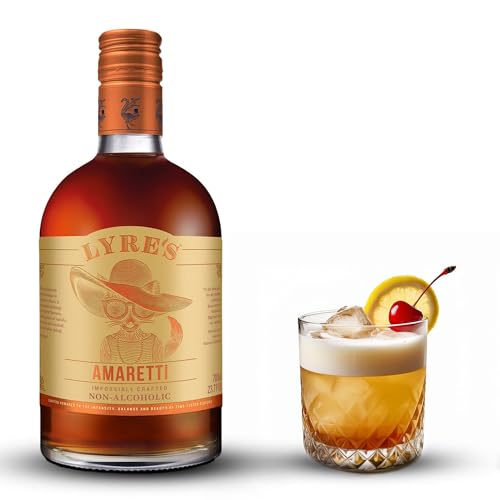
Pros
- Non-alcoholic amaretto alternative
- Nutty, bitter, tangy flavor profile
- 700ml bottle size
- Cocktail recipe guidance
- Works in Amaretto Sour recipes
Cons
- Best served mixed, not neat
- Limited use outside cocktail recipes
- Contains no alcohol
Specifications
| Color | brown |
|---|---|
| Size | 23.7 Fl Oz |
| Dimensions | 3.7401574765 x 3.7401574765 x 8.661417314 inches |
| Weight | 2.6014546916 pounds |
| Product Group | Grocery |
| Binding | Wine |
Verify the current product variation before purchase; specifications may change.
Detailed Review
What stands out in the currently available product data:
- Non-alcoholic format supports alcohol-free cocktails and serving
- Nutty, bitter, tangy profile fits Amaretto Sour recipes
- 700ml bottle provides mixer volume for repeated drinks
- Designed for mixing with lemon, orange, and maraschino
- Recipe guidance helps users follow balanced cocktail proportions
- San Francisco World Spirits Competition 2020 medal recipient
Best For / Avoid If
Best for buyers prioritizing
- Non-alcoholic amaretto alternative
- Nutty, bitter, tangy flavor profile
- 700ml bottle size
Consider another option if
- Best served mixed, not neat
- Limited use outside cocktail recipes
- Contains no alcohol
Buying Guide: best mixers for different spirits
Spirit Profile and Botanical Compatibility
Clear spirits present different chemical challenges than dark spirits. Gin contains volatile terpenes from juniper berries, coriander seeds, and citrus peel. Pairing gin demands light tonic waters, dry sodas, or floral syrups that respect botanical structure.
Heavy dark rum and rye whiskey contain vanillin, tannins, and wood lactones from charred oak barrels. These bold liquids require rich ginger beer, aromatic bitters, or sweet vermouth to balance proof warmth. Delicate fruit sodas collapse under high-proof bourbon.
Sugar Content and Dilution Control
Commercial sodas flood drinks with high-fructose corn syrup, masking subtle alcohol notes entirely. High sugar suppresses ethanol heat while muting mid-palate complexity. Premium carbonated mixers maintain lower brix counts, letting craft spirits show true quality.
Cocktail recipes calculate water dilution from shaking or stirring with ice. Syrups with excess viscosity resist fast chilling and pool unmixed at glass bottoms. Balanced formulas disperse smoothly across cold surfaces without leaving heavy sugary sludge behind.
Carbonation Density and Bubble Longevity
Effervescence releases aromatic vapor compounds toward drinker noses during sips. Mixers packed in small glass bottles hold higher gas volume than large plastic containers. Big plastic soda bottles lose gas rapidly after initial cap removal.
Fine champagne-style bubbles sustain lift longer than coarse club soda bursts. Consistent effervescence carries citrus oil aroma upward through entire drinking sessions. Flat carbonation leaves drinks tasting sweet, warm, and heavy before glasses empty.
Acid Levels and pH Balance
Alcohol creates perceived palate weight that requires sharp acid for contrast. Fresh citrus brings citric and malic acids that cut spirit oiliness cleanly. Packaged mixers without proper acidity yield flat drinks lacking crisp finish.
Check citric acid balance when prepping batches with hand mixers for bar prep. Low acid encourages cloying sweetness that exhausts drinker palates quickly. Sharp acid structure preserves balance alongside strong spirits like mezcal or overproof rum.
Non-Alcoholic Modifiers and Liqueur Alternatives
Modern home bars benefit greatly from zero-proof modifiers and botanical cordials. Products mimicking traditional Italian amaretto or French aperitifs provide flavor depth without extra ethanol volume. These liquids allow mocktail crafting or split-base cocktail design.
Nutty amaretto profiles bring bitter almond, burnt sugar, and vanilla warmth. Blending them with sour lemon juice builds iconic sours for guests skipping alcohol. Inspect ingredient labels to confirm authentic botanical extracts over artificial aroma additives.
Comprehensive Reference Manuals and Guides
Buying mixers requires recipe knowledge, cocktail formulas, and proper ratios. Thick bar references teach standard builds alongside obscure historic highballs. Having written guidelines prevents wasted bottles and unbalanced drink ratios during parties.
Books organized by spirit category save time during active hosting sessions. They show substitution options when home stock lacks specific modifiers or vermouths. Home prep often uses blenders for puree mixers before assembling drink bases.
| Spirit Base | Recommended Mixer Type | Key Flavor Focus | Ideal Ratio (Spirit:Mixer) |
|---|---|---|---|
| Bourbon / Rye | Ginger beer, vermouth, cola | Caramel, wood spice, heat | 1:2 or 2:1 |
| Dry Gin | Tonic water, club soda | Juniper, citrus, floral | 1:2 or 1:3 |
| Light Rum | Citrus soda, coconut water | Tropical fruit, molasses | 1:2 |
| Blanco Tequila | Grapefruit soda, lime tonic | Agave, mineral crispness | 1:2.5 |
| Vodka | Tomato juice, fruit puree | Clean neutral canvas | 1:3 |
Final Thoughts
For ultimate cocktail coverage, buy The Ultimate Bar Book: The Comprehensive Guide. It packs over one thousand drink formulas across every liquor category known. Reviewing drink proportions requires reliable equipment like mixer motor power checks when whipping cocktail foams.
For zero-proof drinks, pick Lyre’s Amaretti, Non Alcoholic Amaretto Liqueur. It provides bitter almond and tangy vanilla without alcohol content. It builds sour drinks easily while keeping guest gatherings inclusive.
FAQs
What are best mixers for different spirits in 2026 for home bars?
Quality tonic water, spicy ginger beer, club soda, and crafted citrus cordial form core setups. Each mixer complements specific liquor traits without drowning delicate aroma notes. Reference manuals provide exact ounce ratios to guarantee balance.
Why does tonic water taste bitter with gin?
Tonic water contains quinine extracted from cinchona tree bark. Quinine bitterness counteracts sweet corn syrup while cutting oily juniper pine needles in gin. Carbonation carries this aromatic balance directly across tongue receptors.
How long do nonalcoholic mixers stay fresh after opening?
Non-alcoholic cordials lack ethanol preservation and spoil faster than standard spirits. Store opened bottles inside refrigerators and consume within twelve weeks. Always inspect smell and clarity before pouring into drinks.
Can ginger ale substitute for ginger beer in whiskey drinks?
Ginger ale contains higher sugar and mild artificial ginger aroma. Ginger beer undergoes fermentation or utilizes real ginger root oil, giving intense spice kick. Whiskey drinks need bold ginger heat to balance heavy oak tannins.
How do cocktail reference books help select spirit mixers?
Cocktail manuals explain underlying formulas like daisy, collins, and sour families. Understanding base proportions prevents over-sweetening and controls ice dilution accurately. Use kitchen tools like cookie scoops for drink garnish when serving decorative cocktail snacks.
What mixer works best with smoky mezcal or tequila?
Tart grapefruit soda, fresh lime juice, and mineral soda water suit agave spirits. Agave contains vegetal, earthy flavors that turn muddy under dark colas. Crisp citrus cuts wood smoke and enhances roasted agave heart notes.
Why should home bartenders avoid two-liter soda bottles?
Two-liter plastic bottles lose carbonation pressure every time users uncap them. Reopening bottles three times leaves remaining mixer liquid flat and syrupy. Small glass bottles preserve tight bubble structure for crisp drinks.
Can nonalcoholic amaretto replace traditional amaretto in mixed drinks?
Crafted zero-proof amaretto mimics nutty almond, vanilla, and marzipan notes accurately. Mixers like Lyres Amaretti build classic sours when combined with lemon juice. Drinks retain traditional flavor profiles while dropping alcohol volume completely.