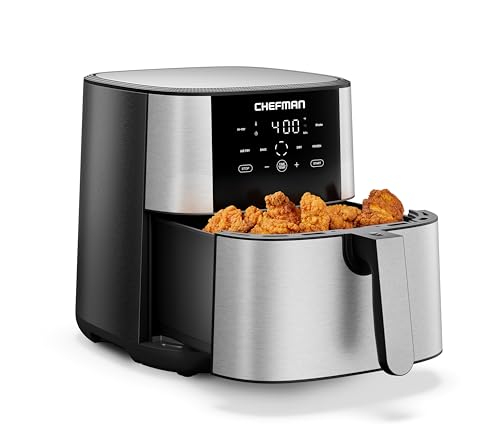
Countertop space remains prime real estate in most home kitchens. When deciding whether you can place high heat cooking appliances beneath upper storage, proper ventilation makes all the difference for fire safety and cabinet preservation. Explore our full collection of countertop appliances to understand proper kitchen layouts.
Modern air fryers generate intense heat and powerful air currents during everyday operation. Understanding manufacturer clearance requirements protects your cabinetry from warping, discoloration, and long term structural failure. This practical guide covers essential spacing rules and safe operational habits for home cooks.
Vertical Clearance Requirements
Standard upper cabinets hang roughly eighteen inches above the kitchen counter surface. Most basket models stand between twelve and fifteen inches tall, leaving minimal room above the housing. You should always maintain at least five inches of clear space above any active appliance.
Trapped hot air quickly warms the underside of wooden or laminate cabinet structures. Over extended cooking sessions, repeated heat exposure degrades wood adhesives and softens protective clear coats. Pulling the appliance forward into open air prevents costly surface repairs.
Rear and Side Exhaust Proximity
Air fryers force hot air and grease vapor out through dedicated exhaust vents. These vents are typically positioned along the upper rear panel or the back sides of the housing. Placing the unit directly against a wall or backsplash invites severe heat discoloration over time.
Manufacturers generally mandate a minimum buffer of five to six inches from surrounding vertical barriers. Adequate rear clearance lets internal fans circulate ambient air smoothly without straining electrical components. For larger setups, review our guide to air fryer toaster ovens for specific rear clearance comparisons.
Countertop Surface Protection
The bottom of an air fryer absorbs considerable heat from the internal heating element. Materials like quartz, granite, and laminate react poorly to localized thermal shock. Placing silicone mats or wooden cutting boards beneath the appliance preserves your countertop investment.
Unprotected quartz surfaces can crack or develop cloudy discolored spots when exposed to direct heat. Heat resistant trivets create an insulating thermal barrier that prevents counter damage completely. Never run an appliance directly on delicate surfaces without checking manufacturer heat tolerances first.
Storage Footprint vs Active Operation
Storing an air fryer beneath wall cabinets between uses is perfectly safe for standard kitchens. The danger arises strictly when the appliance runs through hot cooking cycles. Keeping the appliance parked beneath cabinets when turned off frees up valuable workspace.
When cooking time begins, simply slide the appliance outward toward the front countertop edge. Sliding appliance trays make moving heavy kitchen gear smooth and effortless. Comparing footprints between a dual basket vs single basket air fryer helps you pick an easily portable machine.
Cabinet Finish Vulnerability
Modern kitchen cabinets feature painted surfaces, thermal foil wraps, or thin wood veneers. Intense convection steam loosens cabinet adhesives and bubbles delicate plastic coatings within weeks of regular use. Painted cabinets can also turn yellow from continuous grease vapor exposure.
Protecting the underside of your cabinetry requires direct heat redirection and adequate ventilation. Home cooks often run their range hood exhaust while running nearby countertop appliances to draw hot air away. Choosing compact models like those in our affordable air fryers overview can reduce excess heat production.
Appliance Airflow Design
Different air fryer formats vent exhaust through distinct pathways depending on their internal geometry. Top venting appliances blow hot air straight into upper cabinetry if left unmonitored. Rear venting designs blow air backward, heating up tile grout and backsplashes instead.
Check the vent orientation before committing to a permanent countertop parking spot in your kitchen. Transparent cooking units, such as those evaluated in our glass vs basket air fryer comparison, present unique thermal patterns. Understanding venting directions ensures you choose an appliance compatible with your kitchen geometry.
Why You Should Trust Us
Our kitchen reviews rely on thorough evaluation of manufacturer documentation, engineering standards, and physical materials. We prioritize real world kitchen utility, evaluating spatial footprints and heat safety alongside cooking convenience. Our editorial process focuses on objective facts rather than marketing slogans.
We analyze appliance dimensions, safety certifications, and thermal clearance guidelines to give you practical home advice. Every recommendation helps home cooks build functional, safe cooking spaces without damaging expensive cabinetry. We maintain editorial independence to provide transparent guidance for everyday meal preparation.
Final Thoughts
Answering whether an air fryer can sit under kitchen cabinets depends entirely on operational status. You can safely store an idle appliance directly under wall cabinets without any safety concerns. However, running the machine requires sliding it out to maintain at least five inches of clear space.
Treat your cabinetry and stone countertops with care by investing in heat resistant pads and sliding rolling trays. Protecting your kitchen investment requires just a few inches of clearance during your cooking routines. Always prioritize adequate ventilation to enjoy reliable performance and keep your home kitchen safe.
FAQs
Can an air fryer sit under kitchen cabinets while turned off in 2026?
Yes, storing an inactive air fryer under cabinets is completely safe. Modern units do not generate ambient heat when unplugged or turned off. You only need to provide wide clearance when you start cooking.
How much clearance does an air fryer need from the wall?
Most manufacturers recommend a minimum of five inches between the rear exhaust vent and any wall. This clearance allows exhaust fans to expel hot air without straining the internal motor. Proper spacing also keeps wall finishes from scorching.
Will an air fryer damage laminate kitchen cabinets?
Yes, continuous hot air and steam can cause laminate coatings to peel and blister. The glue holding laminate to particle board breaks down under elevated temperatures. Always pull the unit forward into the room before cooking.
Can I put heat deflector shields under my cabinets?
Self adhesive heat shields provide a protective buffer against rising steam and warm air. While helpful, they do not replace the necessity of proper airflow clearance. Moving the appliance out into open space remains the safest approach.
Is it safe to use an air fryer on a granite countertop?
Granite resists heat better than laminate or quartz, but it can still suffer from thermal shock. Rapid temperature changes can create micro fractures inside natural stone surfaces. Placing a silicone trivet underneath prevents sudden thermal transfer.
Can I run an air fryer on my kitchen island?
Kitchen islands make an ideal operational surface because they offer unlimited vertical clearance. Without upper cabinets overhead, heat dissipates freely into the room. Just ensure the power cord does not hang over edges where children could grab it.
Why does my air fryer exhaust smoke onto my cabinets?
Excess grease burning on heating elements creates visible smoke that exhausts upward. Cooking fatty foods like bacon without draining grease increases vapor production quickly. Keeping the unit clean and well ventilated prevents smoke stains on nearby cabinetry.