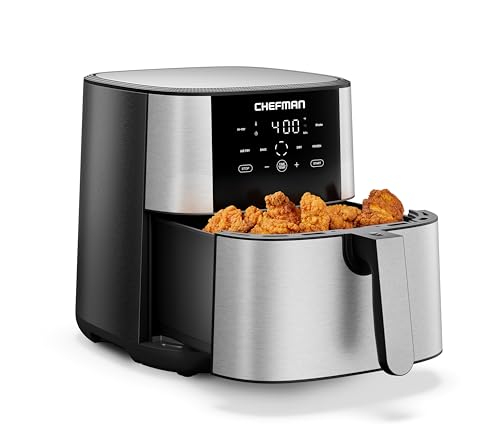
Countertop real estate is precious in any busy kitchen, especially when introducing high-heat appliances. Understanding how much space does an air fryer need ensures your cooking setup remains safe, efficient, and convenient for daily family meals.
Modern convection units generate rapid air movement and extreme heat that must escape freely during cooking cycles. Reviewing our guide to countertop appliances helps you determine the right footprint before clearing space on your prep surfaces.
Clearance and Placement Rules: How Much Space Does an Air Fryer Need
Rear and Side Wall Clearance Requirements
Most manufacturers recommend maintaining at least five inches of clear space behind and around the unit. The rear vent expels scorching air and grease particles that can discolor tile grout or peel delicate drywall paint over time.
Placing any appliance flush against a backsplash traps thermal energy inside internal electrical compartments. Giving the fan system generous breathing room prevents thermal cutoff fuses from tripping unexpectedly during long roasting sessions.
Vertical Clearance Under Overhead Cabinets
Standard upper kitchen cabinets sit roughly eighteen inches above base countertops across most residential homes. Compact basket machines fit beneath this boundary easily, but larger models can direct steam straight into wooden cabinet bases.
Repeated exposure to hot exhaust softens cabinet adhesives, bubbles wood veneer, and creates persistent moisture pockets. Cooks who prefer larger units often examine a best air fryer toaster ovens setup to assess total vertical height requirements.
Pulling your cooker forward toward the counter edge during operation allows rising heat to disperse into open room air safely. You can slide the machine back against the wall once the housing cools completely down.
Basket Clearance and Pull-Out Radius
Measuring the exterior housing dimensions tells only half the story when evaluating kitchen layout ergonomics. You also need twelve to fifteen inches of clear counter space directly in front of the machine.
This front staging zone provides room to slide the heavy basket out smoothly without bumping into cutting boards or ingredient bowls. For alternative layouts, exploring a dual basket vs single basket air fryer highlights how different drawer formats affect table space.
Countertop Surface Heat Protection
The underside of a high-wattage air fryer radiates substantial heat straight downward into whatever surface supports it. Natural granite handles warmth reasonably well, but composite quartz materials and laminate counters can crack under rapid thermal shock.
Using a thick silicone mat or wooden pastry board creates a protective thermal barrier beneath the rubber feet. This inexpensive precaution prevents countertop discoloration while stabilizing the machine during aggressive basket shaking.
| Appliance Style | Recommended Rear Clearance | Top Clearance Needed | Counter Footprint Type |
|---|---|---|---|
| Compact 2 to 4 Quart Basket | 4 to 5 Inches | 6 Inches | Small footprint, easy storage |
| Standard 5 to 7 Quart Basket | 5 Inches | 8 Inches | Medium footprint, everyday use |
| Dual Basket Multi-Zone | 5 to 6 Inches | 8 Inches | Wide horizontal footprint |
| Toaster Oven Style Air Fryer | 6 Inches | 10 to 12 Inches | Large stationary footprint |
Electrical Outlet Proximity and Cord Slack
Most countertop cookers ship with intentionally short electrical cords ranging between two and three feet in total length. Manufacturers keep cords compact to discourage homeowners from letting loose cables dangle dangerously over counter edges.
Never rely on lightweight household extension cords to reach an outlet across the kitchen floor. The high current draw demands direct wall plug connections on dedicated kitchen circuits to avoid tripping breakers.
Ambient Ventilation and Room Airflow
Enclosed corners and narrow pantry nooks restrict natural air movement, causing ambient temperatures around the machine to spike. Running high-heat cycles inside an unventilated appliance garage can trigger internal safety cutoffs or warp nearby cabinetry.
Positioning your cooker within range of a range hood exhaust fan helps capture aerosolized cooking oils before they settle on walls. Good room ventilation keeps the cooking space comfortable while preventing lingering fried food aromas across your home.
Why You Should Trust Us
Our editorial guidelines prioritize practical kitchen safety, verified manufacturer specifications, and sensible ergonomics for everyday home cooks. We analyze thermal dissipation patterns, electrical draw ratings, and appliance dimensions to help you organize a functional kitchen workspace.
We do not rely on marketing claims or decorative kitchen trends that compromise fire safety or surface durability. Our team cross-references appliance user manuals with kitchen design standards to deliver dependable, unbiased equipment guidance.
Final Thoughts
Factoring in proper clearance before setting up your cooker prevents cabinet damage, counter scorching, and internal appliance overheating. A standard five-inch buffer around the perimeter gives cooling fans adequate room to circulate intake air cleanly.
If you prepare family meals with poultry often, comparing the best air fryer for chicken helps identify which basket formats fit your counter space best. Selecting an appliance that matches your physical layout makes everyday cooking safer and far more enjoyable.
FAQs
Can I use an air fryer under kitchen cabinets safely?
You can keep the appliance beneath upper cabinets when idle, but you should pull it forward during active cooking. The rising steam and hot exhaust air can warp cabinet frames, bubble laminates, and degrade wood finishes over prolonged cooking sessions.
How much space does an air fryer need behind its exhaust vent?
A minimum buffer of five inches is recommended between the rear exhaust vent and any wall or backsplash. This perimeter prevents grease buildup on walls and ensures the internal cooling system can disperse thermal energy without overheating.
Can I place an air fryer directly on a quartz countertop?
Placing the cooker directly on quartz is risky because sudden concentrated heat can cause thermal shock fractures. Placing a heat-resistant trivet, wooden board, or silicone mat underneath cushions the stone and blocks downward heat transfer.
Does a glass air fryer require the same clearance as a basket model?
Transparent cooking bowls radiate radiant warmth across their entire exterior perimeter rather than concentrating exhaust solely through a rear port. Checking our comparison between a glass air fryer vs basket air fryer clarifies how exterior heat dissipation differs across designs.
Is it safe to run an air fryer inside an appliance garage?
Operating any high-wattage heating appliance inside a closed cabinet or tight appliance garage presents a serious fire hazard. Always pull the machine completely out into an open countertop area with unobstructed airflow before starting any cooking cycle.
How much space does an air fryer need on the sides?
Allow at least four to five inches of clear counter space on both left and right sides of the housing. This spacing prevents surrounding pantry items, paper towel rolls, or plastic containers from melting or catching fire from exterior warmth.
Can I put an air fryer on top of a microwave?
Stacking an air fryer on top of a microwave is strongly discouraged by appliance manufacturers and kitchen safety experts. The weight, combined with intense heat transfer, can distort the microwave housing and create a hazardous balance issue when opening drawers.
What is the safest surface to place an air fryer on in 2026?
The safest surface is a solid, level counter protected by an insulated silicone trivet or a thick wooden prep station. Avoiding proximity to flammable dish towels and plastic accessories guarantees smooth and trouble-free cooking performance throughout 2026.