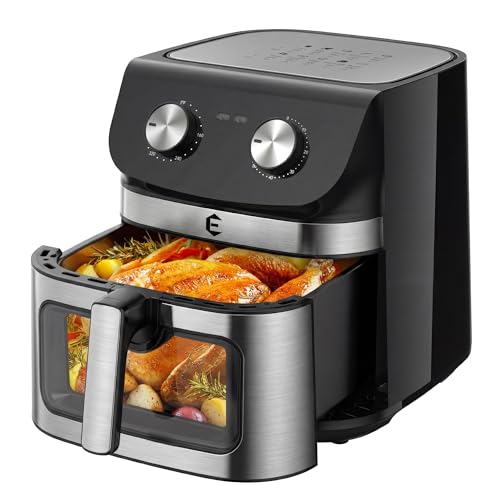
Grease splatter and loose crumbs drift upward toward the heating coil during every cooking cycle. Over time, that baked-on residue burns, fills your kitchen with acrid smoke, and degrades your cooking performance. Taking care of your machine requires knowing how to clean air fryer heating element coils without damaging delicate internal components.
Routine care keeps your food tasting clean and prevents sudden fire hazards on your countertop. Before you think about upgrading to a model from our best air fryer machines roundup, follow this straightforward maintenance process to keep your current unit running smoothly throughout 2026.
Power Down and Cool the Appliance
Safety always comes first when dealing with high-voltage kitchen appliances. Disconnect your air fryer from the wall outlet completely before attempting any maintenance. Never introduce moisture or tools into an appliance that remains plugged into active power.
Wait at least thirty to forty-five minutes after your last cooking cycle. The metal element stores high thermal energy that can melt cleaning tools or burn your fingers. Check that the upper ceiling area feels cool to the touch before proceeding.
Access the Upper Interior
Pull out the main cooking basket, tray, and any removable crisper plates entirely. Set these loose components aside to wash them separately with standard dish detergent in warm water. Clearing out the base gives you full visibility into the ceiling cavity.
Check your user manual to see if your appliance can safely turn upside down on a flat counter. If permitted, place a soft towel down to avoid scratching the exterior plastic casing. Inverted positioning gives your hands direct leverage over the coil assembly.
If turning your model upside down is restricted, keep the unit upright on a level work surface. You will need to tilt your head low and work upward through the basket opening. A small magnetic work light or phone flashlight illuminates hidden corners behind the coil.
Dry Brushing Surface Carbon
A dry clean is always your best starting move because it introduces zero liquid risk. Use a soft nylon dish brush, an old soft toothbrush, or a specialized bottle brush to sweep the coil. Work gently around each turn of the metal loop to loosen friable black carbon.
Never use brass, steel wool, or hard wire scrubbing pads on this component. Harsh metals scratch protective anti-corrosion platings and ruin heating efficiency. Gentle, sweeping strokes knock free most dry food crumbs without abrading the exterior surface.
Wiping with Mild Detergent Solutions
Mix a few drops of grease-cutting liquid dish soap into a bowl of warm water. Dip a clean microfiber towel into the soapy water, then wring it out until it is barely damp. You must never allow drops of standing water to drip past the element into the motor housing.
Gently grip the metal loop with the damp microfiber cloth and wipe down the length of the tube. Rotate the cloth frequently to lift grease rather than smearing oil back across the metal. Take your time clearing the spots directly below the interior convection fan.
If you prefer specialized equipment like a glass air fryer vs basket air fryer, clean the upper perimeter with extra care. Glass housings reveal accumulated oil quickly, requiring diligent post-cook wipe-downs to stay clear.
Tackling Stubborn Baked-On Residue
Heavy carbon deposits may resist a simple damp cloth wipe. Mix a small amount of baking soda with warm water until it forms a thick, paste-like consistency. The paste should remain dense so it clings to the metal without dripping into interior fan slots.
Dab small amounts of the paste onto stubborn black spots using a soft brush. Allow the mixture to sit undisturbed for ten to fifteen minutes to soften the polymerised grease bonds. Gently scrub the treated area with your soft brush to lift the residue.
Wipe the element clean using a fresh cloth dampened only with plain water. You must remove all traces of alkaline residue before running the machine again. Residual baking soda produces harsh odors and white smoke if left on an active heating coil.
Cleaning Maintenance Summary
Use this quick reference to select safe tools and techniques for standard air fryer cleaning.
| Cleaning Tool | Safety Status | Best Application |
|---|---|---|
| Soft Microfiber Cloth | Safe | Wiping surface grease and final rinsing |
| Soft Nylon Toothbrush | Safe | Loosening loose dry carbon in tight coil gaps |
| Baking Soda Paste | Use with Caution | Softening heavy baked-on grease spots |
| Steel Wool or Wire Brush | Never Use | Risk of stripping protective coating and causing damage |
| Oven Cleaner Spray | Never Use | Releases toxic fumes and corrodes aluminum components |
Drying and Running a Test Burn
Moisture is the primary enemy of electrical heating coils and wiring. Use a dry microfiber cloth to thoroughly absorb any residual dampness across the upper housing. Let the appliance sit open on your countertop for at least thirty minutes to air-dry naturally.
Reinsert the completely dry basket and plug the power cord back into the wall. Run the empty air fryer at 400 degrees Fahrenheit for approximately three to five minutes. This short burn cycle evaporates leftover humidity and confirms that cleaning agents have fully cleared.
Why You Should Trust Us
Our editorial approach centers on transparent appliance mechanics and verified kitchen safety protocols. We evaluate cleaning practices based on component construction, thermal physics, and official appliance documentation. We do not promote harsh chemical solutions that risk degrading nonstick linings or voiding consumer warranties.
Our team tracks real-world failure points reported across popular countertop platforms to identify safe maintenance paths. We focus on realistic methods that fit ordinary household cooking routines without requiring expensive specialized tools or risky complete appliance disassembly.
Final Thoughts
Maintaining a clean heating coil protects the taste of every dish you prepare and extends appliance life. Baked grease produces foul odors and heavy smoke that quickly ruins delicate poultry, as discussed in our guide to the best air fryer for chicken. Regular preventative maintenance prevents these stubborn carbon layers from ever taking hold.
Inspect the upper chamber after cooking high-fat items like bacon, chicken wings, or heavily battered appetizers. A five-minute wipe-down using a damp microfiber cloth each week prevents the need for aggressive scrubbing down the road. Treat your appliance with care to enjoy crisp, clean-tasting meals throughout 2026.
Frequently Asked Questions
How often should I clean my air fryer heating coil?
Wipe down the coil once every two to three weeks if you use the appliance frequently. Inspect the upper chamber immediately after cooking fatty foods that cause significant splatter. Catching thin grease films early prevents stubborn, hardened carbon buildup.
Can I use commercial oven cleaner on my heating element?
Never spray standard commercial oven cleaner inside an air fryer. These caustic chemical sprays corrode internal aluminum parts and damage protective heating element platings. Fumes from leftover oven cleaner residues can also contaminate food cooked during subsequent cycles.
Is it safe to turn the air fryer completely upside down?
Turning the machine upside down is generally safe once you remove all loose internal trays. Always check your specific brand manual first to confirm there are no internal fluid reservoirs or delicate display issues. Rest the inverted unit on a thick towel to prevent scratching outer housing.
Why does my air fryer smoke during cooking in 2026?
Smoke typically occurs when loose oil droplets hit the glowing heating coil during active airflow. Excess grease left in the lower catch pan can also vaporize under sustained high convective heat. Thoroughly cleaning your heating element stops smoke caused by accumulated carbon debris.
Can I spray water directly on the heating element?
Never use a spray bottle to shoot water directly onto the heating assembly. Water can easily enter the motor ventilation holes and damage internal electronics or create a severe shock hazard. Always apply cleaning solutions directly onto a microfiber cloth or soft brush instead.
What causes the burnt smell coming from my air fryer?
A burnt smell is usually caused by trapped food crumbs resting against the heating coil. Tiny bits of batter or seasonings blown upward by the fan stick to the hot metal and char continuously. A quick brushing after the appliance cools removes these burned particles completely.
Will baking soda damage the heating element coating?
Baking soda is mildly abrasive and generally safe when applied as a thick paste with light pressure. However, you must avoid harsh scrubbing and wipe away all residual paste using a damp water cloth. Leaving chalky residue on the coil causes foul odors during your next meal.
Do budget air fryer heating elements require different cleaning techniques?
The heating elements in appliances from our best air fryers under $100 guide use standard calrod coil designs. The same safety protocols apply: use only mild soap, avoid dripping moisture, and rely on soft-bristled brushes. Gentle cleaning methods protect coils across all price points.