Baking homemade bread requires equipment that handles heavy gluten resistance without stalling. Standard kitchen appliances often struggle when turning dense flour mixtures into smooth, elastic loaves.
Choosing among the best mixers for bread douhg comes down to motor torque, dedicated kneading mechanics, and overall stability. If you want a fully automated approach instead, explore our guide on the Best Bread Machine options available today.
Our Top Picks
Short answer: KitchenInTheBox 3.2Qt Small Stand Mixer is our top pick, and Edovaf 7.4QT Dough Mixer is the runner-up.
- Top pickKitchenInTheBox 3.2Qt Small Stand MixerSpace-saving and lightweight
- Runner-upEdovaf 7.4QT Dough Mixer7.4-quart mixing capacity
| # | Product | Brand | Stands out for |
|---|---|---|---|
| 1 | KitchenInTheBox 3.2Qt Small Stand Mixer | Kitchen in the box | Space-saving and lightweight |
| 2 | Edovaf 7.4QT Dough Mixer | Edovaf | 7.4-quart mixing capacity |
| 3 | Martha Stewart 5.3QT Tilt Head Stand Mixer | Martha Stewart | Large 5.3-quart stainless bowl |
Pros
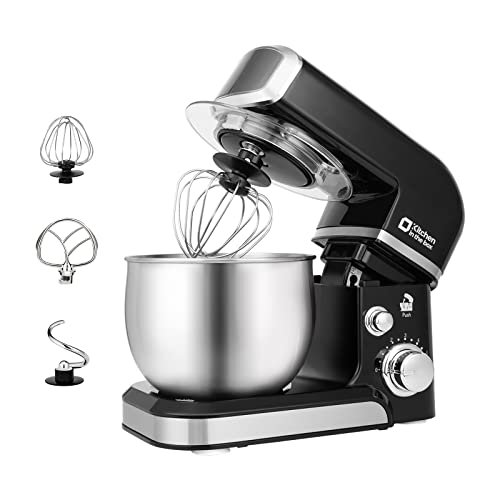
- Space-saving and lightweight
- Versatile 6 speed settings
- Easy to clean and store
- Includes essential attachments
- Stable with anti-slip feet
Cons
- Small bowl for 1-2 person batches
- Higher initial speed may require caution
- Not for heavy or large batches
Specifications
| Color | Black |
|---|---|
| Size | 3.2QT |
| Dimensions | 12.9 x 7 x 10.2 inches |
| Weight | 7 Pounds |
| Product Group | Kitchen |
| Binding | Unknown Binding |
Verify the current product variation before purchase; specifications may change.
Detailed Review
What stands out in the currently available product data:
- Compact size fits easily in small kitchens and stores in cabinets
- 6 speed options allow precise control from slow stirring to fast mixing
- Planetary mixing action ensures thorough ingredient blending
- Tilt-up head design simplifies bowl and attachment changes
- Includes durable aluminum dough hook, flat beater, and stainless steel whisk
- Anti-splash lid prevents mess while mixing

Pros
- 7.4-quart mixing capacity
- Built-in 77–100°F fermentation range
- Dishwasher-safe bowl and blade
- Transparent lid with feeding window
- Three dedicated operating modes
Cons
- Warranty details not supplied
- Fermentation range may not suit every recipe
- Dough-focused design limits stated versatility
Specifications
| Color | off-white 7.4Qt |
|---|---|
| Size | 7.4qt |
| Dimensions | 9.4 x 11 x 12 inches |
| Product Group | Kitchen |
Verify the current product variation before purchase; specifications may change.
Detailed Review
What stands out in the currently available product data:
- Large 7.4-quart capacity suits family baking and gatherings
- Fermentation mode maintains a stated 77–100°F range
- Mix, Ferment, and Mix & Ferment modes support varied recipes
- S-shaped blade simulates hand kneading for dough development
- Transparent lid and feeding window allow ingredient additions
- Timer control and noise-reduction pad improve convenience
Pros
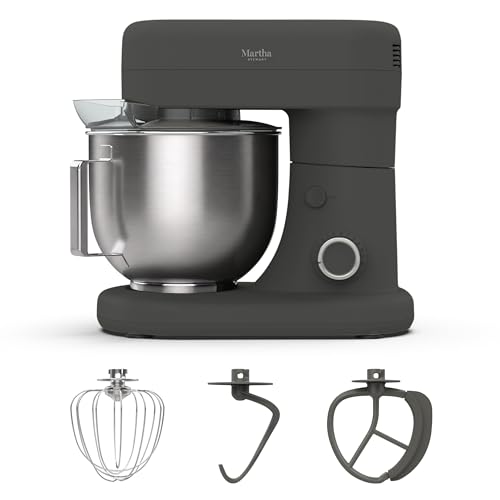
- Large 5.3-quart stainless bowl
- Three versatile attachments included
- 12 speeds for precise control
- Tilt-head access and splash shield
- Dishwasher-safe, BPA-free parts
Cons
- Modest 660-watt motor for dense doughs
- Amazon-exclusive availability
- No customer reviews yet
Specifications
| Color | Caviar Gray |
|---|---|
| Size | 5.3QT Stand Mixer |
| Dimensions | 16.929144 x 10.433077 x 16.929144 inches |
| Weight | 9.04 pounds |
| Product Group | Kitchen |
| Binding | Kitchen |
Verify the current product variation before purchase; specifications may change.
Detailed Review
What stands out in the currently available product data:
- 5.3-quart stainless bowl handles large batches like cookies and dough
- Three attachments include dough hook, flat beater with silicone edge, and whisk
- 12 speed settings give precise control from gentle folding to thick dough
- Tilt-head design allows quick bowl access for ingredients and scraping
- Removable splash shield with pour chute keeps counters cleaner while mixing
- Heavy-duty base and ergonomic bowl handle improve stability and pouring
Best For / Avoid If
Best for buyers prioritizing
- Large 5.3-quart stainless bowl
- Three versatile attachments included
- 12 speeds for precise control
Consider another option if
- Modest 660-watt motor for dense doughs
- Amazon-exclusive availability
- No customer reviews yet
How to Choose the best mixers for bread douhg in 2026
Selecting the right bread mixer means evaluating how mechanical forces interact with dense gluten networks. Low-hydration doughs place sustained strain on gears, shafts, and motor armatures during extended kneading cycles.
Motor Power and Torque Delivery
Bread dough resists movement far more than liquid batters or whipped egg whites. A motor needs continuous torque output rather than merely high rotational speed to push through firm flour mass.
Mixers with insufficient torque overheat quickly when tasked with kneading five hundred grams of flour. For a deeper breakdown of electrical ratings, see our analysis on stand mixer wattage explained for home kitchens.
Bowl Capacity and Batch Boundaries
Bowl volume dictates maximum batch sizes and minimum workable ingredient weights. Compact bowls around three quarts handle single small loaves, but struggle with multiple loaves or wet, high-volume artisan doughs.
Larger five to seven quart bowls allow ingredients to turn over without spilling upward over the rim. Bakers working with standard family-sized recipes should match bowl geometry directly to anticipated flour weights.
Machines with oversized bowls require enough dough mass to ensure the dough hook actually catches the ingredients. Working with tiny flour amounts in huge basins often leaves unmixed dry pockets along the base.
Kneading Motion: Planetary Drive vs Dedicated Dough Blades
Standard stand mixers rely on planetary action where a hook orbits an offset central axis. This works across multiple kitchen tasks but can push thick dough up the attachment shaft during kneading.
Specialized dough machines use horizontal or bottom-mounted S-shaped blades that turn the dough mass over directly. This configuration mimics hand folding, keeping the mixture submerged and actively kneaded against the bowl floor.
Planetary systems offer versatility for whipping and creaming, while dedicated dough makers focus on folding speed and low friction. Your decision depends on whether you need a dedicated bread appliance or an all-round prep station.
Chassis Weight and Countertop Grip
Vigorous dough kneading causes lightweight mixers to shift, shake, and walk across smooth countertops. Without adequate base weight or anchoring, a working mixer demands constant physical supervision during ten-minute runs.
Heavy die-cast bodies stay planted through sheer mass, absorbing kinetic recoil from stiff dough. Lighter units require powerful suction feet to remain anchored securely to slick stone, laminate, or quartz surfaces.
Check your storage arrangement before buying, because heavier appliances are awkward to carry out of cupboards daily. If counter space is permanent, extra chassis heft remains a distinct engineering advantage.
Temperature Control and Fermentation Support
Friction from mechanical kneading introduces heat into dough balls, which can alter intended yeast activity. Overheating yeast during a long mix cycle risks premature rising before proper gluten alignment forms.
Advanced dough appliances integrate steady temperature controls that warm the bowl between seventy-seven and one hundred degrees. This feature allows users to proof dough directly inside the mixing vessel without transferring containers.
Home cooks baking in cold winter kitchens benefit noticeably from controlled proofing environments. Eliminating drafty proofing spots ensures predictable rise schedules across sourdough, pizza crust, and brioche batches.
Speed Range and Gradual Start Controls
Bread dough requires low gear settings to fold flour without spraying dust clouding across kitchen counters. A broad speed spread lets you bring dry and wet ingredients together gently before ramping into steady kneading.
Machines featuring twelve discrete speeds offer fine adjustment steps for distinct hydration levels. Lower settings preserve gluten structure, while intermediate speeds quickly incorporate butter additions into enriched dough recipes.
| Feature Priority | Compact Stand Mixers | Dedicated Dough Makers | Full-Size Stand Mixers |
|---|---|---|---|
| Primary Focus | Batters, Occasional Dough | Bread, Pizza, Dumplings | General Baking and Dough |
| Typical Capacity | 3.0 to 3.5 Quarts | 7.0 Quarts and Above | 5.0 to 6.0 Quarts |
| Kneading Mechanism | Planetary Spiral Hook | Bottom S-Blade Kneader | Planetary Spiral or C-Hook |
| Countertop Footprint | Minimal, under 8 lbs | Moderate, wide basin | Substantial, heavy base |
Final Thoughts
Finding the right bread machine depends on batch frequency and whether you prioritize multipurpose baking. For comprehensive multi-tasking across cakes, cookies, and sandwich loaves, the Martha Stewart 5.3QT Tilt Head Stand Mixer represents the best overall choice thanks to its balanced capacity and twelve speed levels.
Serious bread enthusiasts who prepare high-volume pizza batches or sourdough regularly will appreciate the Edovaf 7.4QT Electric Dough Mixer with Ferment. Its built-in warming feature and high-capacity kneading blade simplify large-scale dough development without demanding counter transfers.
Bakers with limited workspace or single-loaf needs should consider the Kitchen in the box Stand Mixer,3.2Qt Small as the best value pick. It provides straightforward operation and suction stability while occupying minimal shelf room. Check out our Baking and Specialty Tools hub for more gear assessments.
Frequently Asked Questions
Can any small mixer handle regular bread kneading?
Small mixers handle modest batches of soft dough, but dense flour mixes create significant mechanical drag. Always keep batch sizes within stated bowl limits to prevent motor strain.
Why does my mixer shake when kneading stiff dough?
Heavy dough balls slap against bowl walls unevenly, shifting the machine center of gravity during rotation. Sturdy bases or strong suction feet help keep appliances stable on smooth counters.
How does the ferment function benefit bread makers?
A built-in ferment function maintains a constant low-heat environment ideal for activating baker yeast. This provides dependable proofing times regardless of cold room temperatures or kitchen drafts.
Is a tilt-head design strong enough for kneading?
Tilt-head units offer convenient bowl access and handle standard domestic loaf batches without issues. Ensure the hinge lock is fully engaged before running the motor through thick dough mixes.
Which speed is best mixers for bread douhg on standard models in 2026?
Lower speed settings between level one and three are optimal for kneading bread dough on most machines. Using excessive speeds risks tearing delicate gluten strands and places unnecessary strain on the drivetrain.
Can I knead bread dough using a handheld appliance instead?
Hand appliances can incorporate wet doughs, but dense recipes quickly exhaust wrist strength. Consult our overview of the Best Hand Mixer tools to understand handheld motor limitations.
Are aluminum dough hooks safe for standard cleaning?
Coated aluminum hooks generally clean quickly by hand, though harsh dishwasher detergents can discolor untreated metal. Always verify the manufacturer care instructions before placing mixer attachments into dishwashers.
What size bowl is necessary for two sandwich loaves?
A bowl holding at least five quarts is necessary to knead dough for two standard loaves safely. Smaller bowls risk overflowing as the dough hook lifts and rolls the expanding mixture.