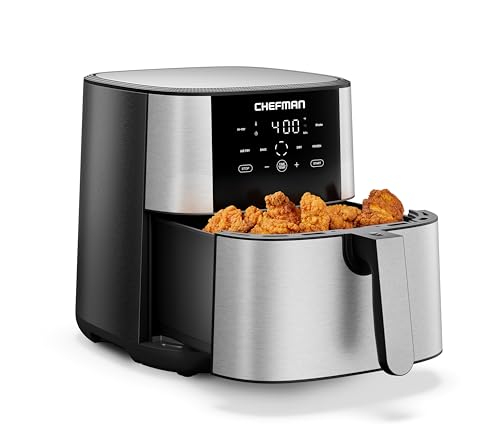
Unboxing a brand new kitchen appliance is always exciting, but staring down an unfamiliar control panel can make anyone hesitate. Learning how to use an air fryer for the first time comes down to a few basic steps that eliminate smoke, remove chemical factory odors, and protect your food from burning. Whether you bought a compact pod or a roomy multi-drawer unit from our countertop appliances guide, this practical walkthrough will get you cooking your first crisp meal in September 2026.
Modern air fryers are essentially high powered countertop convection ovens that circulate dry heat around food at rapid speeds. Mastering proper spacing, learning the preheat cycle, and understanding when to shake the basket are the keys to immediate success. Once you complete the mandatory initial dry burn, you will see how easy weekday meals become.
Essential Factors for How to Use an Air Fryer for the First Time
Initial Cleaning and Factory Burn-In
The single most crucial step before cooking any food is eliminating manufacturing residues. New heating elements and plastic casings carry protective oils from the factory that release an unpleasant plastic smell when heated. Washing the removable basket and crisper tray with warm water, mild soap, and a nonabrasive sponge strips away initial surface dust.
After thoroughly drying all parts, reassemble the machine and run it empty at four hundred degrees for fifteen to twenty minutes in a well ventilated room. Open your kitchen windows or switch on the exhaust hood to clear the initial fumes. This simple test run ensures your first batch of chicken wings or fries will taste entirely like food rather than factory hardware.
Countertop Placement and Ventilation Clearance
Air fryers draw ambient air from the room, heat it across electric coils, and expel powerful exhaust through rear and side vents. Placing the machine flush against a drywall backsplash or directly underneath upper wooden cabinets can cause heat damage over time. You should always maintain at least five inches of clear space behind and above the exhaust port during active cooking.
Always place the unit on a level, heat resistant surface such as granite, quartz, or an insulated silicone protector mat. Never position the hot air vent directly toward electrical outlets or sensitive wall paint. Giving the exhaust fan room to breathe also prevents internal motor strain and keeps heating consistent across the basket.
Basket Style and Cooking Surface Capacity
Understanding the realistic usable surface inside your machine changes how you prep food. If you are comparing a dual basket vs single basket air fryer, remember that depth rarely equates to usable flat capacity. Food must sit in an even layer so the high velocity air can touch every surface.
Overcrowding the basket traps escaping steam, turning crisp potatoes into limp, soggy vegetables. For larger family meals, cooking in two consecutive batches yields far better browning than forcing everything into one overloaded basket. Keeping space around each piece allows the convection current to deliver the crunch you expect.
Preheating Cycles and Temperature Control
While many budget appliances claim that preheating is optional, giving the chamber three minutes to warm up produces vastly superior results. Adding cold meat or frozen snacks to a cold basket causes food to steam as the element gradually rises to temperature. Starting with a hot crisper plate sears the exterior immediately, locking in moisture and preventing sticking.
Countertop convection cooks significantly faster than a traditional full sized oven. A dependable rule of thumb is to drop the cooking temperature by twenty-five degrees and reduce cook times by roughly twenty percent compared to standard oven recipes. Keep a watchful eye on your food during the final third of cooking time to avoid sudden overbrowning.
Oil Selection and Smoke Point Awareness
Although air fryers require minimal fat, a light coating of oil makes a noticeable difference in crispness and color. Using oils with high smoke points like avocado, refined olive, or peanut oil prevents lingering kitchen smoke. Avoid commercial aerosol cooking sprays containing chemical propellants like lecithin, which degrade nonstick basket coatings over time.
Investing in an inexpensive refillable oil spritzer lets you mist food with pure oil evenly without harsh additives. Tossing cut vegetables or breaded cuts in a bowl with a single teaspoon of oil before placing them in the basket provides superior coverage. The moving air then crisps that thin oil sheen into a delicate golden crust.
Mid-Cycle Shaking and Basket Mechanics
Air fryers heat primarily from an overhead coil and fan, which leaves lower surfaces sheltered from direct heat currents. Pulling the basket out halfway through the cooking timer to flip proteins or shake loose vegetables guarantees uniform color. Most units pause the heating cycle automatically when you withdraw the basket and resume seamlessly upon reinsertion.
Use silicone tipped tongs rather than metal utensils to rotate delicate food without scratching the interior finish. When tossing items like roasted broccoli or frozen french fries, give the basket a vigorous shake over the sink to prevent hot crumbs from scattering. This regular rotation ensures every angle gets crisp exposure.
Why You Should Trust Us
Our appliance recommendations are built on transparent research, technical specification analysis, and practical everyday usability. We evaluate kitchen tools based on heating consistency, interior build materials, nonstick coating safety, and ease of long term maintenance. Our goal is to provide honest guidance without commercial fluff so home cooks can make dependable decisions.
We do not accept paid placements from manufacturers or make unverified claims about laboratory performance. Every recommendation stems from evaluating customer repair records, user manuals, and material durability over extended ownership cycles. We focus strictly on what works reliably in a normal home kitchen.
Final Thoughts
Starting out with a new convection cooker does not have to be an intimidating chore. As you learn how to use an air fryer for the first time, stick with simple trial foods like frozen french fries or roasted vegetables to understand your unit’s heating speed. Pay close attention to vent clearance, preheat your basket, and avoid overcrowding the pan to get reliable crunch on every batch.
If you are still weighing appliance options for your home, review our breakdown of the best air fryer for chicken to see which form factor fits your weekly meal plan. For smaller kitchens or tight budgets, exploring models among the best air fryers under $100 provides great capability without overloading your storage cabinets. Master the basics today and your air fryer will quickly become an everyday kitchen essential.
FAQs
Do you have to wash an air fryer before the first use?
Yes, you should wash the basket, drawer, and removable crisper tray in warm soapy water before cooking. This removes shipping dust, packaging debris, and factory machine oils from the food contact surfaces. Dry all parts completely before running the initial burn-in cycle.
Why does my new air fryer smell like burning plastic?
A mild plastic or chemical odor is normal during the first twenty minutes of operation. Heating elements are coated with protective oils during manufacturing to prevent corrosion while stored in warehouses. Running an empty burn-in cycle at high heat eliminates this odor before you place any food inside.
Can I put aluminum foil in an air fryer?
You can use aluminum foil in most models, but you must weigh it down with food so it does not lift into the heating coil. Never place foil in the basket during preheating while it is empty. Ensure the foil does not completely cover the bottom vents, as blocked airflow ruins crispness.
Can I use parchment paper in an air fryer?
Parchment paper works well for sticky items, but you must use perforated air fryer liners that allow heat to circulate. Just like foil, never put parchment paper into the unit during preheat mode without food on top. The circulating air will blow lightweight paper directly into the red hot element and catch fire.
How is an air fryer different from an air fryer toaster oven?
Basket models feature a compact chamber with a high velocity fan positioned directly above the food for faster browning. In contrast, the best air fryer toaster ovens offer wider wire racks and multi rack baking capabilities. Basket designs heat up quicker, while countertop ovens handle larger sheet pan recipes.
What is the easiest food to make when learning how to use an air fryer for the first time?
Frozen french fries, tater tots, or mozzarella sticks are ideal for your inaugural cooking session. These processed foods already contain internal cooking oils, so they crisp up quickly without requiring extra prep. Cooking a batch of frozen fries gives you an immediate feel for basket shaking and heat timing.
Do I need to spray oil inside the basket every time?
You do not need to spray the basket itself if it has a quality nonstick coating. Instead, lightly toss your ingredients in oil in a separate prep bowl before loading them into the drawer. This approach creates even browning on the food while keeping excess oil from pooling at the base of the machine.
How do you clean an air fryer after cooking?
Allow the appliance to cool down completely before removing the basket and crisper insert. Wash both pieces using a soft sponge, warm water, and dish soap to avoid scratching the nonstick surface. Wipe the interior chamber and dry element with a damp microfiber cloth to remove grease splatters.